
Photobiomodulation (PBM) uses specific wavelengths of light to support cellular energy production, regulate inflammation, and assist tissue recovery. Introduced only when clinically appropriate, and always after medical evaluation.
Just as plants utilize sunlight to grow, your cells can harness light energy to function more efficiently. PBM energizes mitochondria to improve energy production — giving cells a targeted boost so they can repair themselves and operate at a higher level.
Continuous — cellular energy production support
Pulsed — circulation & pain modulation support
Photobiomodulation (PBM) is a therapeutic modality that uses specific wavelengths of light — typically red and near-infrared — to influence cellular function. The light is absorbed by photoreceptors within the mitochondria, triggering a cascade of biological responses at the cellular level.
Also known as low-level laser therapy or red-light therapy, PBM is non-thermal and non-invasive. It doesn’t damage tissue — it supports it. Warmth from the light energy can increase blood flow, relax tissues, and make fascia more pliable.
At Renuvo, PBM is a clinical modality — selected based on indication and introduced after medical evaluation. It is not a standalone wellness service.
Just as plants use sunlight through photosynthesis to power their growth, human cells can absorb specific light wavelengths to fuel mitochondrial function. The mitochondria — often called the powerhouse of the cell — produce ATP (adenosine triphosphate), the molecule cells use for energy.
When cells are under stress, inflamed, or recovering from injury, their mitochondrial output often declines. PBM essentially provides a targeted energy input — helping restore efficient function without systemic drugs or invasive procedures.
Specific red and near-infrared wavelengths penetrate the skin surface to varying depths depending on the emission type.
Chromophores within the mitochondria — particularly cytochrome c oxidase — absorb the light and convert it into cellular energy (ATP).
With more available energy, cells can perform repair functions more efficiently — reducing oxidative stress and supporting recovery.
Downstream benefits — reduced inflammation, improved circulation, faster tissue healing — emerge over the treatment course.
PBM doesn’t work by heating tissue. It works by delivering targeted photonic energy that cells can use to support their own biological processes.
Light energy is absorbed by cytochrome c oxidase in the mitochondrial electron transport chain, increasing ATP production and cellular metabolic capacity.
PBM has been shown to reduce reactive oxygen species (ROS) and support antioxidant pathways, helping lower cellular oxidative burden.
PBM influences pro-inflammatory cytokines and signaling molecules, helping modulate — rather than simply suppress — the inflammatory response.
Thermal effects from near-infrared wavelengths support vasodilation and improved blood flow to treated areas, enhancing oxygen and nutrient delivery.
We use clinically designed light-based systems selected for consistency, depth of penetration, and controlled delivery. These are therapeutic instruments — not consumer wellness devices.
A synchronized dual-wavelength system combining two complementary emission modes to deliver coordinated photonic energy at multiple tissue depths. The synchronization of continuous and pulsed emissions is clinically significant — each wavelength supports different physiologic targets simultaneously.
High-output, multi-wavelength panel systems designed for broader surface treatment areas. Particularly effective for larger muscle groups, skin-level support, and whole-body recovery applications where targeted precision is less critical than consistent coverage.
Important: The selection of technology used in your treatment is based on clinical indication, treatment area, and goals. Not all patients receive all systems. Your protocol is individualized following medical evaluation.
The body responds differently to therapy depending on its physiologic state. When the nervous system is under stress, circulation, inflammation, and recovery processes can all be affected — reducing the body’s receptivity to treatment.
Before and during treatment, we may incorporate supportive elements to help shift the body toward a more favorable internal environment for recovery and repair.

Low-intensity light application prior to treatment to begin the process of tissue warming, circulation support, and cellular readiness.
Auditory techniques designed to reduce sympathetic nervous system activation and help the patient shift into a parasympathetic (recovery-oriented) physiologic state before therapy begins.
A purposefully low-stimulation space — minimal noise, controlled lighting, comfortable temperature — designed to support physiologic calm before and during treatment.
These preparatory steps are designed to optimize internal conditions for recovery and tissue response. They are supportive in nature and are not a guarantee of outcome.
At Renuvo, PBM is not treated as a lifestyle add-on or a standalone offering. It is a clinical modality — selected based on indication, safety context, and how it fits within a broader therapeutic plan.
When appropriate, PBM can be combined with other therapies to support circulation, inflammation balance, and tissue environment — creating a more favorable physiologic state for recovery.
When appropriate, PBM may support the physiologic conditions that benefit peptide-based tissue repair and recovery.
Guided relaxation and environmental controls to support autonomic regulation and treatment receptivity.
Post-exertion or injury-related muscle and tissue recovery where inflammation and healing timelines are a clinical concern.
Chronic or acute inflammatory states where modulation of the inflammatory response — rather than suppression — is the therapeutic goal.
Conditions where mitochondrial inefficiency or cellular energy deficits are contributing to fatigue, slow recovery, or impaired tissue function.
Supportive use before or after other clinical procedures to optimize tissue environment and support healing and recovery outcomes.
Used as a preparatory modality to support autonomic regulation and create a more physiologically receptive state before primary treatment.
Superficial tissue support for skin repair, collagen production, and surface-level inflammatory modulation via targeted red-spectrum delivery.
Not all patients are candidates for PBM. Contraindications are reviewed during your initial consultation. Active malignancies, photosensitizing medications, and certain conditions may preclude use.
Your first visit includes medical screening, a review of your goals, and a discussion of appropriate options. If peptide therapy is indicated, we design a structured, monitored protocol aligned with your physiology.
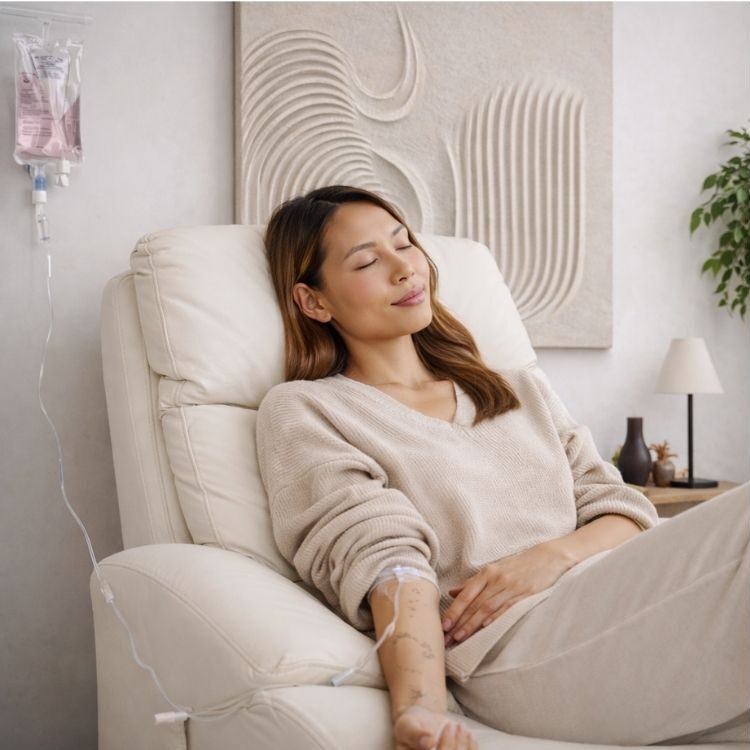
Your first visit includes medical screening, a review of your goals, and a discussion of appropriate options. If peptide therapy is indicated, we design a structured, monitored protocol aligned with your physiology.
Not sure where to start? We’ll help you choose what fits your goals.
Copyright © 2026 All Rights Reserved.